PHUKET OLD TOWN
Phuket Old Town Visitor Guide: Colourful Streets, Culture and Local Food
Phuket Old Town is the historic commercial centre of Phuket Town, on the southeastern side of Phuket Island. Instead of beaches and resorts, you will find colourful heritage buildings, Chinese shrines, historic mansions, street art, museums, traditional food stalls, cafés and restaurants serving distinctive Phuket food.
Historic family businesses continue to operate alongside boutique hotels, fashionable cafés, art galleries and souvenir shops.
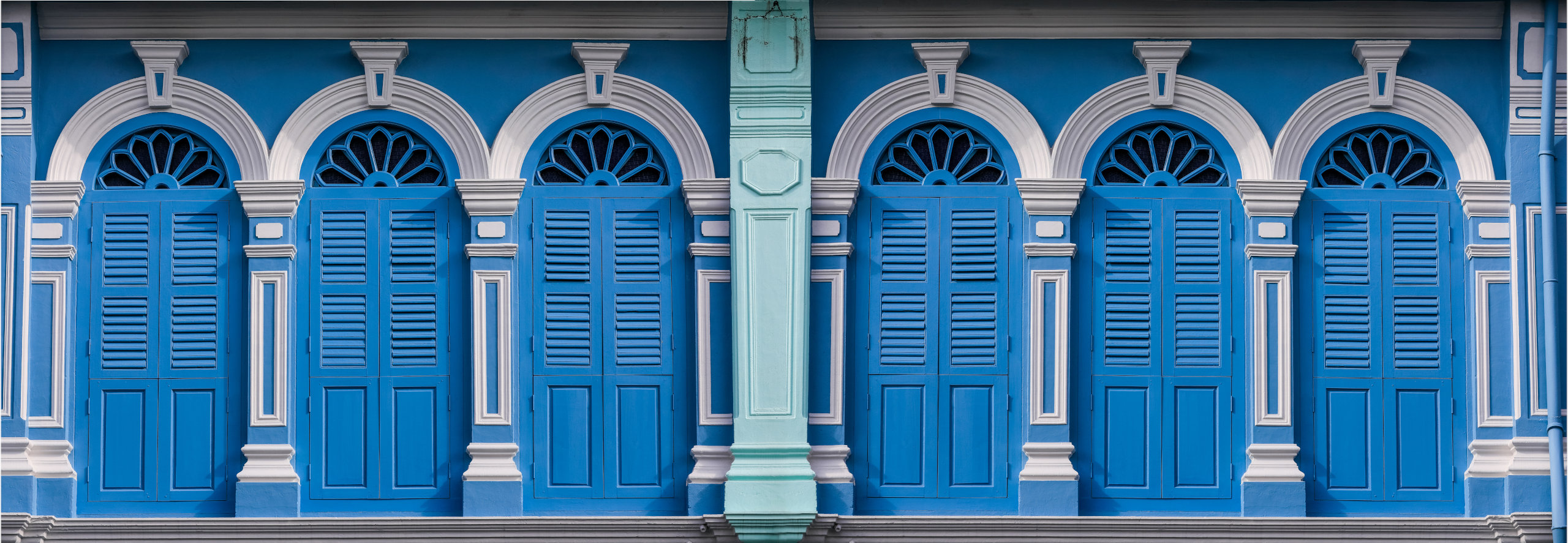
Its streets are lined with restored shophouses painted in shades of yellow, blue, pink and green, often decorated with arched windows, ornate plasterwork, wooden shutters and patterned tiles.
The architecture is generally described as Sino-Portuguese or Sino-European. It combines Chinese building traditions with European decorative influences introduced through regional trade. Many shophouses have narrow frontages but extend far behind the street.
The historic district is compact enough to explore on foot, with most attractions concentrated around Thalang Road, Soi Romanee, Dibuk Road, Phang Nga Road, Krabi Road and Yaowarat Road. A short visit can cover most streets, although spending a full day allows time to visit the Phuket Thai Hua Museum, investigate some of the interesting side streets, enjoy a meal and take time viewing the architecture and taking some great photos.
The area is especially lively on Sunday evening, when Thalang Road becomes the Lard Yai Sunday Walking Street Market. This market is popular for its food, handicrafts, music and energetic atmosphere.
Best time to visit is early morning or later in the afternoon to avoid the midday heat.

This is the historic Chartered Bank intersection, featuring Phuket Old Town’s former police station and clock tower beside the old Chartered Bank building. These restored Sino-Portuguese landmarks now form part of Museum Phuket, which presents the island’s tin-mining and Peranakan heritage.

Hai Leng Ong Golden Dragon Monument at Queen Sirikit’s 72nd Anniversary Park, also known as Dragon Park. Representing a mythical guardian of the sea, the statue celebrates Phuket’s Chinese heritage and is believed to protect the island and its people.
History of Phuket Old Town
Phuket’s development was closely connected to tin. Mining and trade attracted merchants, labourers and settlers from China, India, the Malay Peninsula and Europe, as well as established Thai and Muslim communities.
The tin industry flourished during the 19th century, bringing considerable wealth to Phuket. Chinese migrants became influential in mining, trade and commerce. Connections with Penang, Singapore and other ports around the Straits of Malacca introduced European architectural fashions alongside Chinese traditions.
Wealthy merchants constructed substantial mansions, while commercial streets were lined with long, narrow shophouses. Decorative European façades, that you can see it the photos here, were combined with Chinese layouts, internal courtyards, covered walkways and practical features suited to the tropical climate.
These communities also helped form Phuket’s Baba or Peranakan culture, visible in local clothing, festivals, religious practices and cuisine. Phuket food consequently reflects a mixture of Southern Thai, Hokkien Chinese, Malay, Indian and other regional influences.
As Phuket’s economy shifted from tin mining towards tourism, attention increasingly turned to preserving the Old Town’s architectural and cultural heritage. Restoration projects have returned colour and detail to many buildings, while former homes and public buildings have become museums, hotels, restaurants and community spaces.
Phuket became a member of UNESCO’s Creative Cities Network in the field of gastronomy in 2015. This recognition relates to Phuket’s food culture; it should not be confused with designation of Phuket Old Town as a UNESCO World Heritage Site.

These colourful Sino-Portuguese shophouses line Thalang Road, the historic heart of Phuket Old Town. Their ornate façades, arched windows and wooden shutters reflect the district’s multicultural trading heritage, while the ground floors now contain shops, cafés and restaurants.

The Thai Hua Club, housed in the restored Songtek Building on Dibuk Road in Phuket Old Town. Once associated with Chinese-language education, the Sino-Portuguese building now serves as a cultural and community centre for Phuket’s Chinese descendants.
Food to Try in Phuket Old Town
Food is one of the strongest reasons to spend additional time in Phuket Old Town. Local cuisine reflects the island’s multicultural trading history and differs noticeably from food found elsewhere in Thailand.
Look for Phuket-style Hokkien noodles, moo hong braised pork, oh tao oyster omelette, local dim sum, roti, fish curries and fresh seafood. For dessert, try oh aew, a refreshing Phuket speciality made with jelly and shaved ice.
Traditional restaurants and simple food shops can be found beside fashionable cafés and contemporary dining rooms. Popular establishments may have queues during lunch, dinner and Sunday market hours.
The Sunday Walking Street Market is useful for sampling small portions from several vendors. Carry lots of small cash because not every stall accepts international cards

Ornate entrance to the Shrine of the Serene Light, also known as Sang Tham Shrine, hidden off Phang Nga Road. Built by Phuket’s Hokkien Chinese community in the late 19th century, the Taoist shrine is known for its carved dragons, red lanterns and historic murals.

Lard Yai is Phuket Old Town’s lively Sunday Walking Street Market which stretches along historic Thalang Road. Every Sunday evening, the road becomes pedestrian-only and fills with local food, handicrafts, souvenirs, music and colourful crowds.
How To Get To Phuket Old Town
Phuket Old Town is in Phuket Town, approximately 30 kilometres south of Phuket International Airport. Travelling times can vary considerably because Phuket’s roads are frequently congested. Taking one of the buses that circumnavigate the island is the cheapest option.
From Phuket International Airport
The orange Airport Bus Route 8411 connects Phuket International Airport with Phuket Bus Terminal 1. The journey normally takes approximately 75 minutes and the full-route fare is 100 baht per passenger.
The route includes a stop near Soi Romanee. Ask the conductor whether you can leave there, otherwise, continue to Bus Terminal 1, which is within walking distance of the Old Town. Check the current timetable before travelling, particularly if you have an evening arrival or a flight to catch.
A taxi, airport limousine or app-based car is more convenient with luggage. The drive usually takes approximately 45 to 75 minutes, depending on traffic and the time of day.
From Patong
A taxi or app-based car from Patong normally takes around 30 to 50 minutes, but the journey can be much longer during busy periods.
The Phuket Smart Bus town–Patong route links Patong Beach, Phuket Town and Bus Terminal 2. The current flat fare is 50 baht. Check the latest route, boarding point and live bus location before departure.
From Karon, Kata and Rawai
A direct taxi or app-based car is usually the easiest option. Allow approximately 35 to 60 minutes from Karon or Kata and around 30 to 50 minutes from Rawai, depending on traffic.
Low-cost local blue buses also operate between several beach areas and Phuket Town during the day. These services are inexpensive but slower, may not follow a precise timetable and generally stop running earlier than tourist-oriented transport. Confirm the last return service before relying on one.
Getting Around Phuket Town
Once you reach the historic centre, walking is the best way to explore. Phuket Smart Bus also operates the free Dragon Line city shuttle, which follows a circular route connecting Old Town with several Phuket Town landmarks. Check the operator’s current timetable and live-tracking information because arrival times can be affected by traffic.
Frequently Asked Questions About Visiting Phuket Old Town
Early morning, from approximately 7:30am to 10:00am, is best for cooler temperatures, quieter streets and unobstructed photographs. Not every shop will be open, but the architecture is easier to appreciate before traffic and tour groups increase.
Late afternoon is another attractive time. The temperature becomes more comfortable, restaurants begin preparing for dinner and the buildings take on a warmer colour as the sun becomes lower.
Visit on Sunday between 4:00pm and 10:00pm for the Walking Street Market. This is the most atmospheric but also the busiest time. Choose another morning if photography, architecture and a peaceful walk are your priorities.
November to February has more comfortable walking conditions with less heat and humidity, and a lower likelihood of prolonged rain. March and April can be particularly hot. From May to October, showers are more frequent, but rainfall often arrives in bursts and the wet streets can make for more interesting photography.